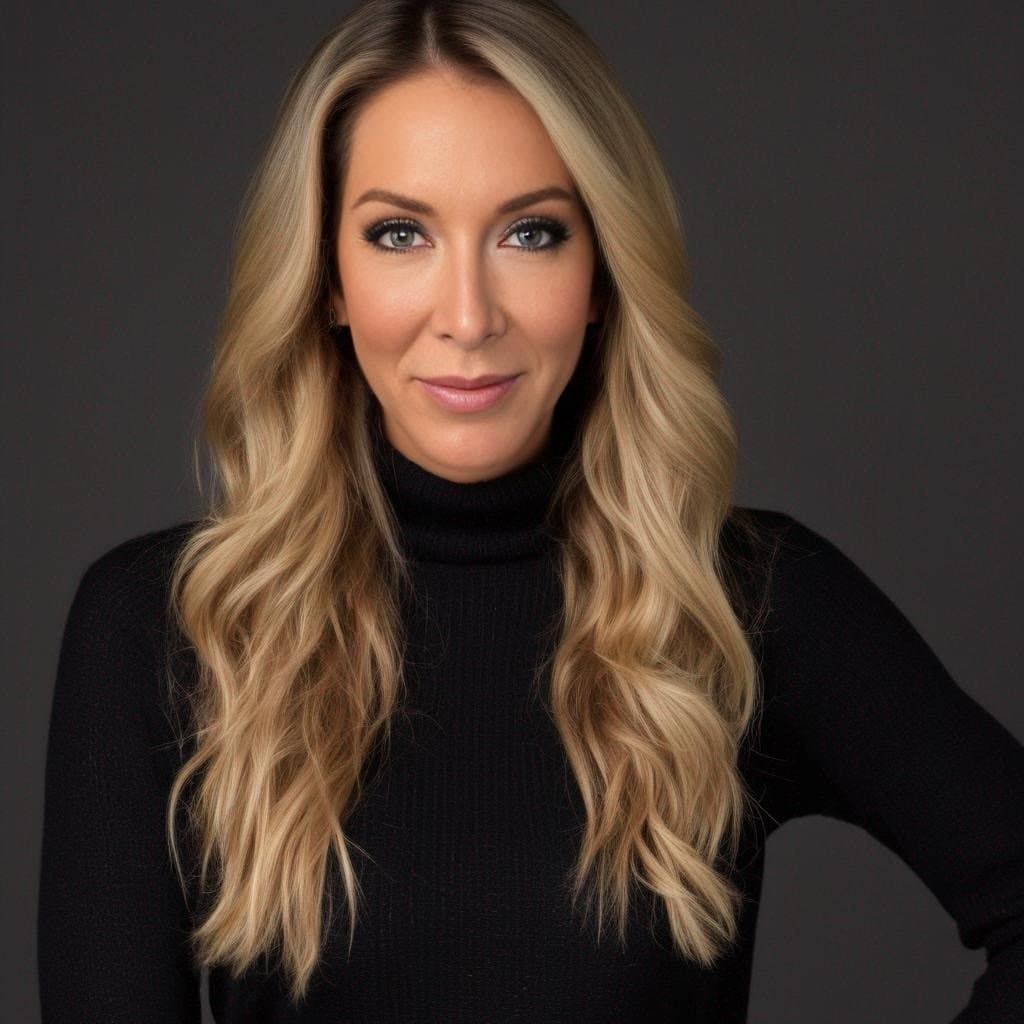

Before we talk about stem cells, exosomes or peptides, I wanted to share some exciting news!
I'm grateful to announce that I've officially stepped into the role of Director of Patient Services at Cellular Institute in Cancún.
My longevity coaching practice and luxury longevity retreats are stronger than ever, and I'm pouring even more into them. This role adds to that work. It brings together everything I care about: helping people live their healthiest, most vibrant lives.
At Cellular Institute, world-class regenerative science meets real human care. My role is to make sure every step of the patient journey is intentional, from the first conversation through preparation, treatment, recovery and beyond. Every patient should feel seen, supported and confident, and that starts with the kind of honest education in this post. I'm learning so much alongside my expert team and my passion is at an all-time high with clients flying in from all around the world for stem cells, exosomes and/or personalized peptide therapy.
And before we speak about these powerful treatments we have to talk about the foundations.
Sleep. Nourishment. Movement.
This is what I've taught my entire career. They aren't optional, and no therapy replaces them. They're the biological inputs that tell your cells how to repair, signal, adapt and produce energy. When even one is overlooked, the body compensates — until it can't.
I start there because I'm genuinely excited about regenerative medicine. I'm certified through ISSCA as an Advanced Peptide Specialist, and this year I was named Official Spokesperson for ISSCA's Global Summit, the largest annual Regenerative Medicine Conference in the world. Being excited about the science is exactly why I want to be honest about what it does.
What a weekend interviewing the greatest thought-leaders in the Regenerative Medicine space
What aging looks like at the cellular level
A big part of aging isn't your body wearing out like an old pair of shoes. It's your cells becoming slower and less precise at repair. The damage that happens every day — from training, stress, inflammation and simply living — gets cleaned up a little less completely each year.
That's why recovery is often the first thing people notice. The workout you did at 35 and the one you do now might be identical. What's different is what happens in the 48 hours afterwards.
Regenerative therapies are aimed at that gap: the speed and quality of repair. Think of it like a software update.
Three tools that get lumped together
Stem cells are living cells that can develop into other types of cells. Just as important, they send signals that call on the body's own repair and revitalization processes. In a clinical setting they're given under a physician's care, depending on the goal, by IV or into a specific area.
Exosomes are tiny vesicles that cells release to communicate with each other. They carry proteins and genetic messages, but they aren't cells themselves — think of them as the message without the messenger.
Peptides are short chains of amino acids that act as signals. Some support tissue repair, some mitochondrial energy, some sleep or metabolism. Each has its own mechanism and its own level of evidence.
Online, these get used as if they were interchangeable. They aren't. Different mechanisms, different evidence and different candidates.
Ranking the evidence honestly
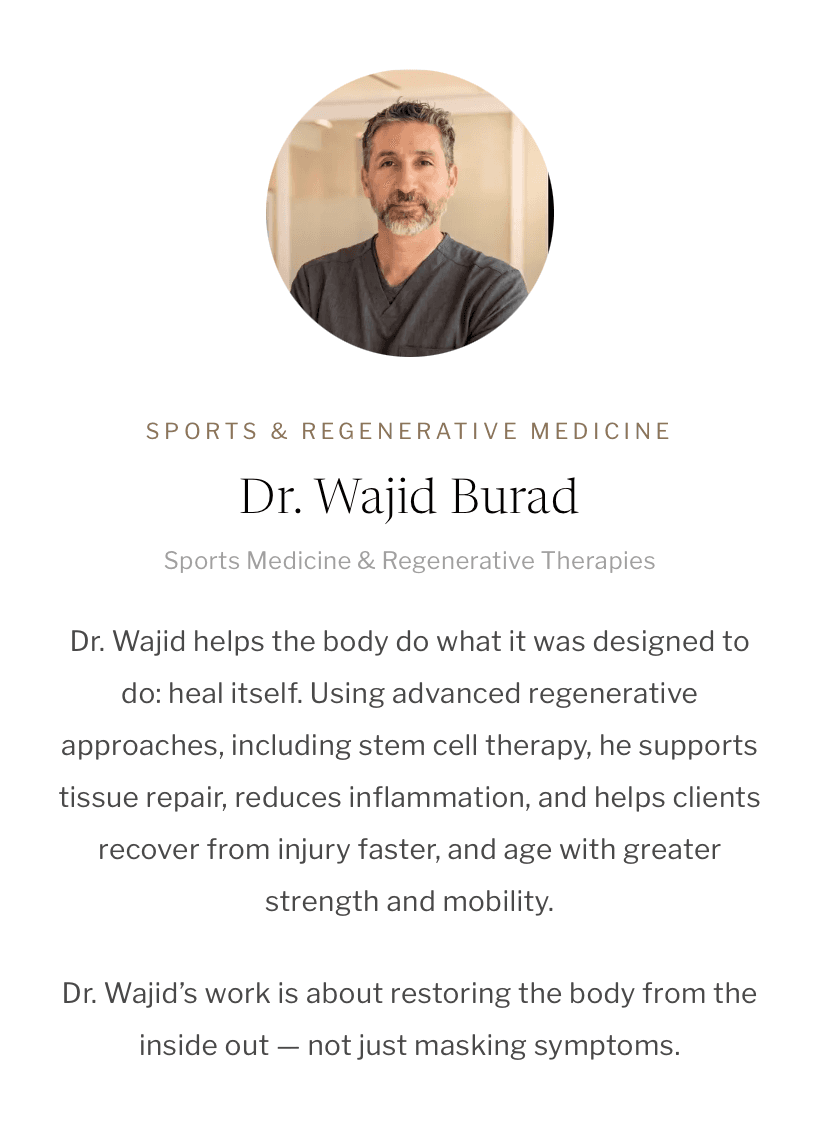
Being pro-regenerative doesn't mean being uncritical. Some of these tools have human trials behind them. Others are promising but still studied mostly in the lab. A good practitioner, with years of experience like Dr. Wajid Burad, our Sports Medicine Physician and Regenerative Medicine Expert, tells you which is which before you decide anything.

And meet Dr. Matilde Rodríguez with Cellular Institute, a specialist in neural pathway regeneration, combining next-generation science with stem cells and targeted cellular protocols.
You see, we don't teach rigid protocols. We teach physiology. When you understand what's actually limiting you — "I crash after exertion," "my recovery is slow," "my baseline energy is just lower" — the right tool becomes much clearer. Think phenotype first, product second.
What it is, and what it isn't
What it is: a way to give your body's repair processes better signals and support — chosen from your labs and your history, measured before and after, supervised by a physician, with compounds that are third-party tested.
What it isn't: a reset button. It doesn't undo years of poor sleep, it doesn't replace training, and it doesn't work as a one-off you do instead of everything else. On top of a strong foundation it can be powerful. Without one, it's an expensive disappointment.
The recovery tools around it
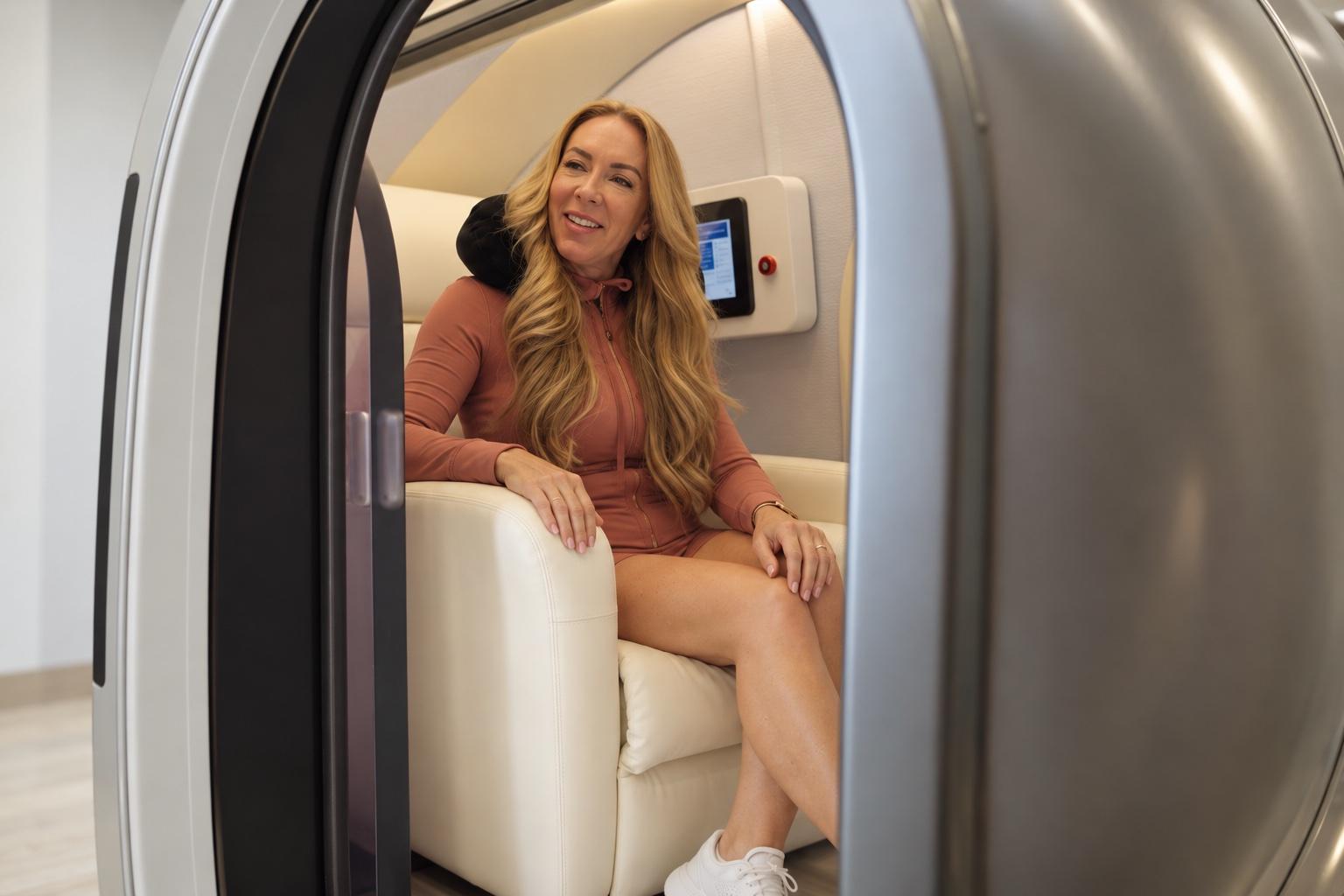
Some of what I use myself isn't a cell or a peptide at all. My recovery circuit at Cellular Institute includes a personalized IV, hyperbaric oxygen (HBOT), red light therapy and molecular hydrogen. These support oxygen delivery, inflammation and energy, and they pair well with the work above. Like everything else here, they work best on a body that's sleeping and eating well.
Questions to ask before any cellular therapy
- Which physician oversees the treatment, and what are their credentials?
- Where do the cells, exosomes or peptides come from? Are they from an in-house laboratory or have they been purchased from an external lab?
- Are they third-party tested with a certificate of analysis?
- Which labs are done before, and what will be measured afterwards?
- What does the evidence say for my specific goal?
- What are the risks, and what's the plan if I react badly?
I've learned one thing very well over the last year - if a clinic can't answer these clearly, walk away.
Is it right for you?
That depends on your labs, your history and what you're trying to change. The right place to start is a conversation and a baseline, not a product.
If you're curious, explore Precision Health or book a consultation, and we'll look at whether it makes sense for you.
Educational content, not medical advice. Talk to your physician before starting any therapy.