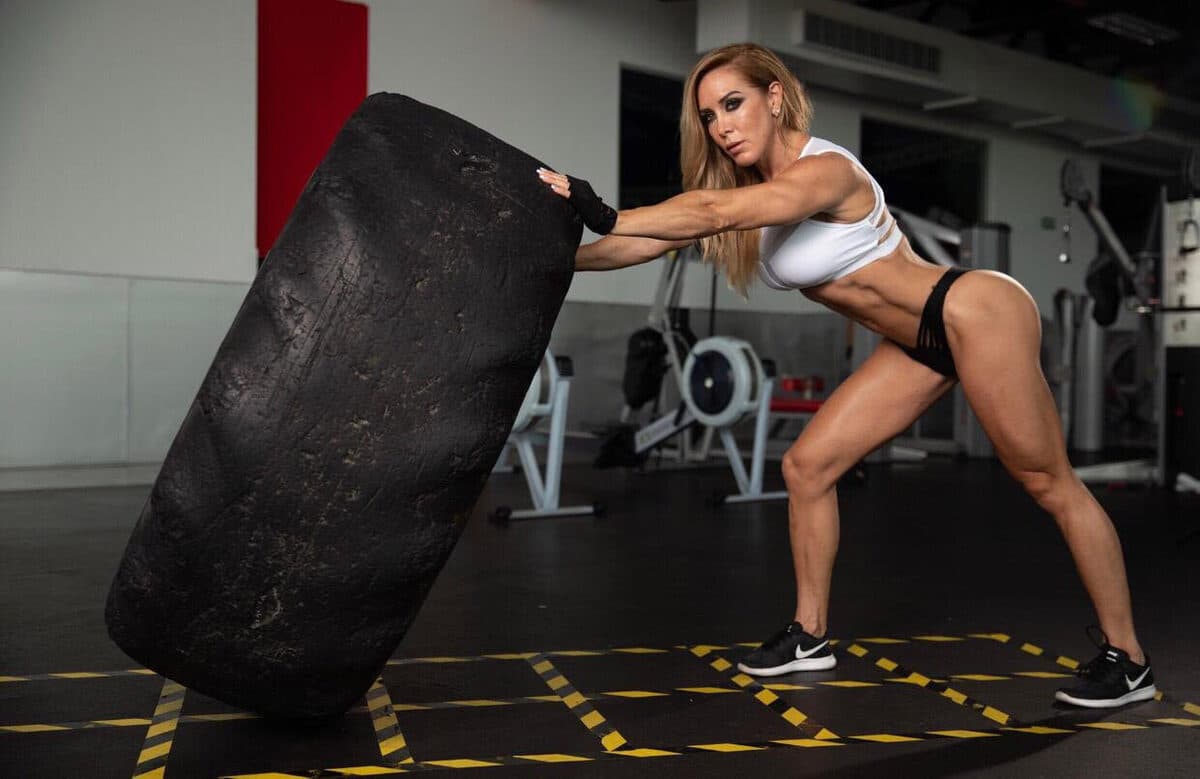

Somewhere along the line, "grandma" became shorthand for fragile. I refuse it.
The grandmother I'm training to be carries the groceries and the grandchild at the same time. She gets down on the floor and gets back up. She says yes to the trip. Every deadlift I do now is a deposit toward her.
I've trained for most of my life, and nine IFBB titles taught me a lot about what a body can do. What I didn't understand in my 20s is that the reason to lift changes. After 40, strength training stops being about how you look and becomes about what you'll still be able to do at 70 and 80.
What changes in midlife
Muscle is harder to keep. We lose muscle gradually from our 30s onward, and the loss speeds up through perimenopause and menopause as estrogen falls. Muscle isn't only strength — it's where your body handles blood sugar, and it's what protects your joints.
Bone needs a reason to stay strong. Bone responds to load. Walking and cardio are good for your heart, but they don't give bone the kind of challenge that tells it to hold on to its density. Lifting does.
Recovery takes longer. The session you used to bounce back from in a day can take two. That isn't a reason to train less. It's a reason to plan recovery as carefully as the work.
Balance becomes insurance. Most fractures later in life start with a fall. Single-leg work and controlled step-ups matter as much as any lift on the board.
What doesn't change
Your muscles still respond to progressive overload at any age. Give them a reason to adapt, enough protein and enough rest, and they will.
How I program strength after 40
Two to four strength sessions a week. Full body, or upper and lower, for 40 to 60 minutes.
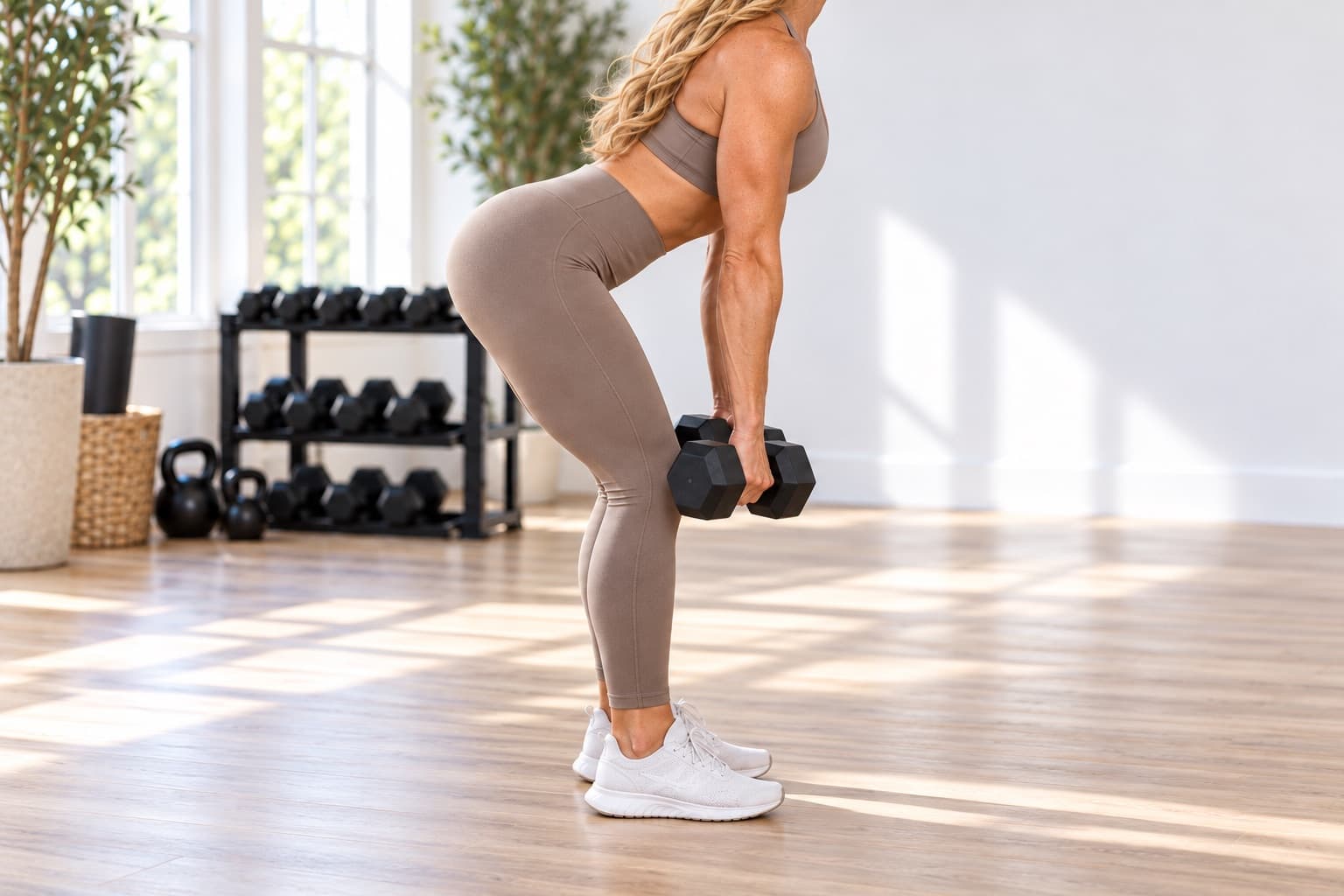
Big patterns first. A squat, a hinge like a Romanian deadlift, a push, a pull and a loaded carry. These work the most muscle and load the most bone for the time you spend.
Controlled tempo. I often use a 2-1-2 tempo: two seconds down, a one-second pause, two seconds up. Slower reps build control and are kinder to your joints.
Effort you can repeat. Most sets should end with one or two good reps still in the tank. You should walk out of a session feeling built, not wrecked.
Progress on purpose. When the last set of the week felt easy, add a little weight or one rep. Write it down so you know.
Respect your history. Pain-free range only. If a movement pinches at a certain point, the working range ends before that point. A neck fusion, an old shoulder injury or low bone density changes which exercises you do, not whether you train.
A simple week to start
| Day | Session |
|---|---|
| Monday | Full-body strength |
| Tuesday | Zone 2 cardio: a brisk walk or easy bike, 30–40 min |
| Wednesday | Mobility or Pilates |
| Thursday | Full-body strength |
| Friday | Zone 2 cardio or a walk |
| Saturday | Full-body strength, or something you love outdoors |
| Sunday | Rest |
A full-body session can be as simple as goblet squats, Romanian deadlifts, dumbbell rows, an incline press and a farmer's carry, three rounds of each.

Cardio alone isn't enough
If cardio is your whole plan, you're protecting your heart and losing muscle at the same time. Do both. Walk every day if you can, and lift at least twice a week.
Start where you are
If you've never lifted, start with two sessions a week, light weights and good form. A few sessions with a qualified coach will teach you the patterns safely. If you have a joint issue, a heart condition or osteoporosis, talk to your doctor first and work with a coach who adapts the program to it.
Strength after 40 is one of the best investments you can make in the next thirty years. Every lift is a deposit.
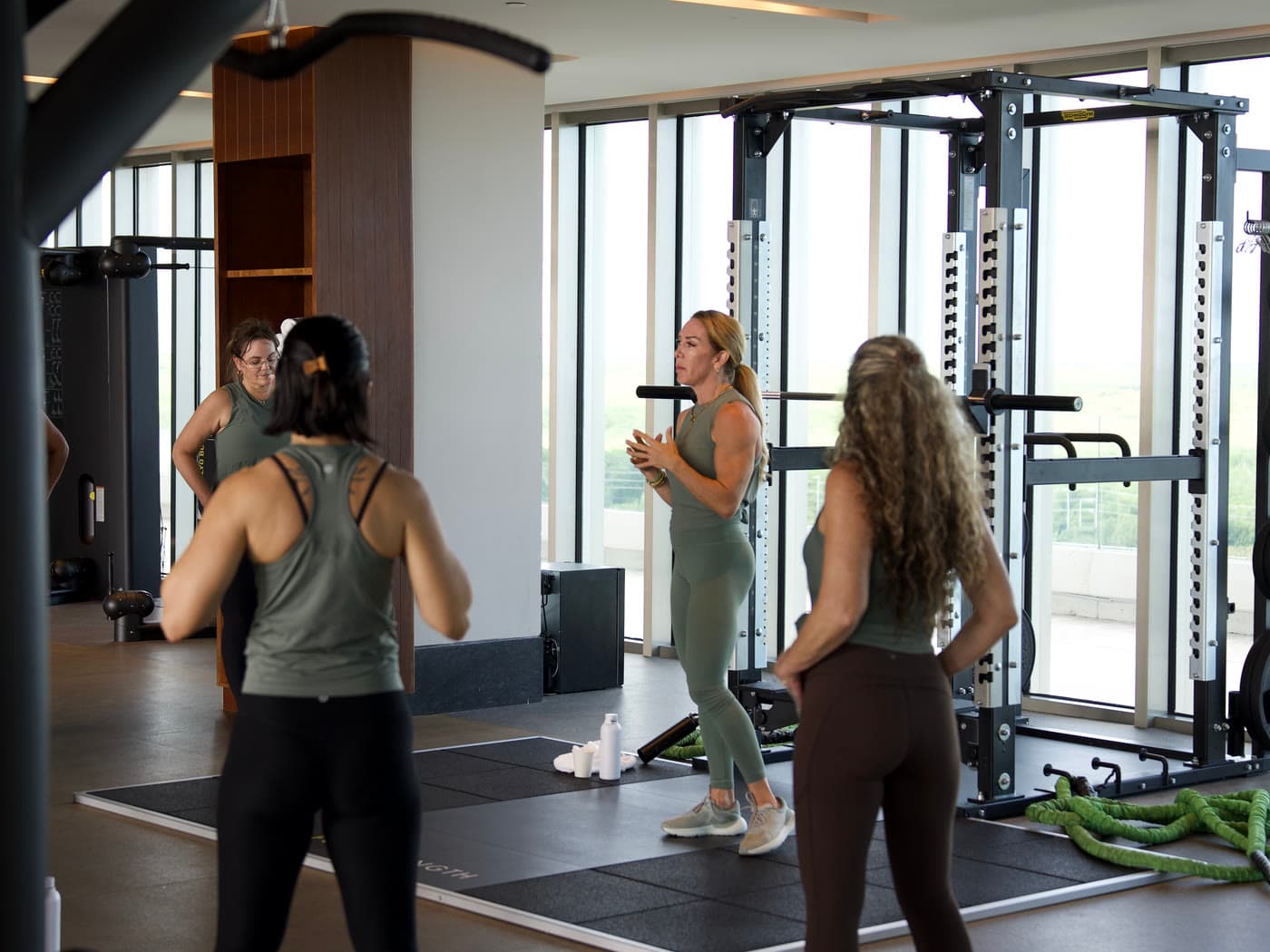
If you'd like to train with me in person, apply for my Women's Longevity Retreat at Palmaïa, February 17–21, 2027.