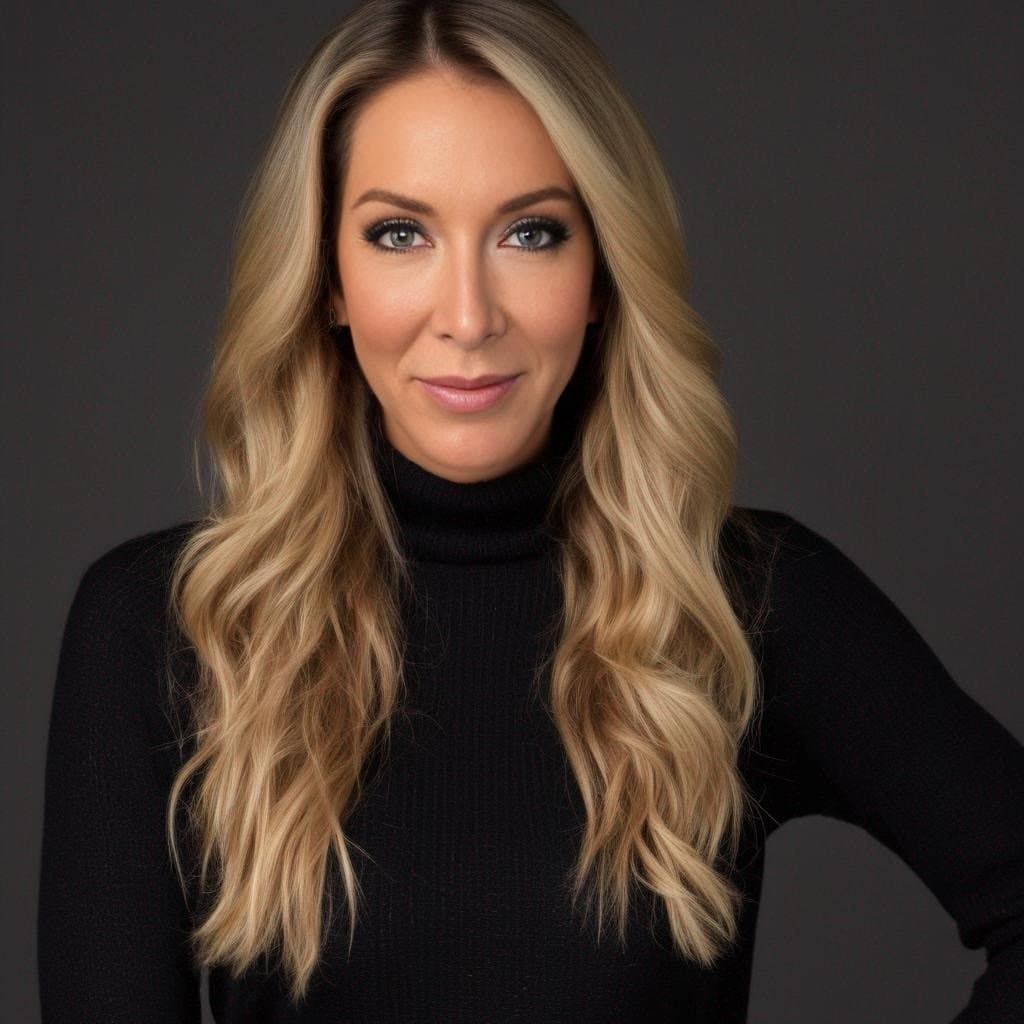

I'm often asked how I do it all. For a long time, I didn't.
When I was competing as a professional athlete — traveling the world for competitions while running a coaching business — my life looked impressive from the outside. Behind the scenes I was running on fumes. I said yes to everything and trained like my worth depended on it. I ignored the whispers from my body until they became screams: hormone chaos, bone-deep exhaustion, brain fog, injuries that wouldn't heal.
What I believed back then is what most high performers still believe. Recovery is something you feel. You rest when you're tired, and if you're not tired yet, you keep going.
That model fails for a simple reason. By the time you feel depleted, you've been depleted for a while.
What recovery actually is
Training, work stress, travel, a hard conversation — each one asks your body to spend something. Recovery is the rebuilding that happens afterwards: tissue repair, hormone rhythms resetting, your nervous system coming back down to baseline, energy stores refilled, and memory consolidated while you sleep.
None of that happens because you decided to relax. It happens when the conditions for it are there. So I stopped waiting to feel recovered and started scheduling the conditions.
The inputs I protect
Sleep comes first. Seven and a half to eight hours is the target I set with most clients, with the same lights-out time on most nights, weekends included. Almost everything else in a program depends on it.
Rest days that are planned. In my training and in my work. A rest day that only happens when you're too exhausted to train isn't a rest day. It's your body making the decision for you.
Real meals with protein. Your body can't rebuild without materials. Under-eating through a hard training week is one of the fastest ways to feel worse while working harder.
A daily downshift. Five minutes in the morning and five in the evening: slow breathing with a longer exhale, a clear marker that the workday is over, and the phone out of the bedroom. It's small, and it's usually the first thing to disappear when life gets busy.
Movement that builds you up. A walk, mobility work, an easy swim. Not every session needs to leave you wrecked.

Measure it instead of guessing
How you feel lags behind what's happening in your body. That's why I love wearables like Oura or Whoop for this. They show your sleep, resting heart rate and heart rate variability (HRV) as trends, so you can see a problem building before it becomes one.
What I watch:
- HRV trending down for several days in a row
- Resting heart rate creeping up
- Sleep getting shorter or more broken
When two of those show up in the same week, the answer isn't to push through. We pull back on training and double down on sleep and the daily downshift until the numbers come back.
Signs you're under-recovered
- Waking between 2 and 4 a.m. with a racing mind
- Wired at night and flat in the afternoon
- Workouts that feel harder than they should
- Small injuries that linger
- Craving sugar in the evening
- A short fuse with the people you love

Recovery isn't a reward
Nobody taught us how to rest. We were taught how to earn it, postpone it and feel guilty about it.
These days I build my life and my business around non-negotiable sleep, strategic rest days, clear boundaries with my time, and tech-free windows with my daughter. I haven't slowed down to do it. It's what lets me keep going.
You can do it all for a season. Or you can do what matters, well, for a lifetime.
If you'd like help building recovery into a plan that fits your life, book an E-Consult. Or start with the wellnessIQ audit to see where recovery sits next to the rest of your health.
Apply for the ultimate recovery experience: The Jungle Retreat, February 17–21, 2027.